
If you’re a business owner in Malaysia, navigating the landscape of ERP software can be both challenging and rewarding e invoice. The implementation of ERP systems can revolutionize the way you manage your operations, but the key lies in understanding the nuances and intricacies specific to the Malaysian market. With a myriad of options available, selecting the right ERP software provider tailored to your business needs is crucial for success. By exploring the unique considerations and benefits associated with ERP software in Malaysia, you can position your business for growth and efficiency in a competitive environment.

Importance of ERP Software in Malaysia
In the realm of business operations in Malaysia, ERP software plays a vital role in streamlining processes and enhancing overall efficiency malaysia e invoicing. By integrating various functions like accounting, human resources, and inventory management into a centralized system, ERP software enables businesses to operate more cohesively and make well-informed decisions. In Malaysia’s dynamic market, where competition is fierce and agility is key, having ERP software is no longer a luxury but a necessity.
One of the key benefits of ERP software is its ability to provide real-time insights into business operations. With up-to-date data readily available, managers can quickly identify trends, spot opportunities, and address potential issues before they escalate. This level of transparency and visibility empowers organizations to adapt swiftly to changing market conditions and stay ahead of the curve.
Furthermore, ERP software in Malaysia helps in standardizing processes across departments, reducing manual errors, and improving productivity. By automating repetitive tasks and enforcing best practices, ERP software allows employees to focus on value-adding activities, driving innovation and growth. In a fast-paced business environment like Malaysia, where efficiency is paramount, ERP software is a strategic tool for success.
Key Features of ERP Software
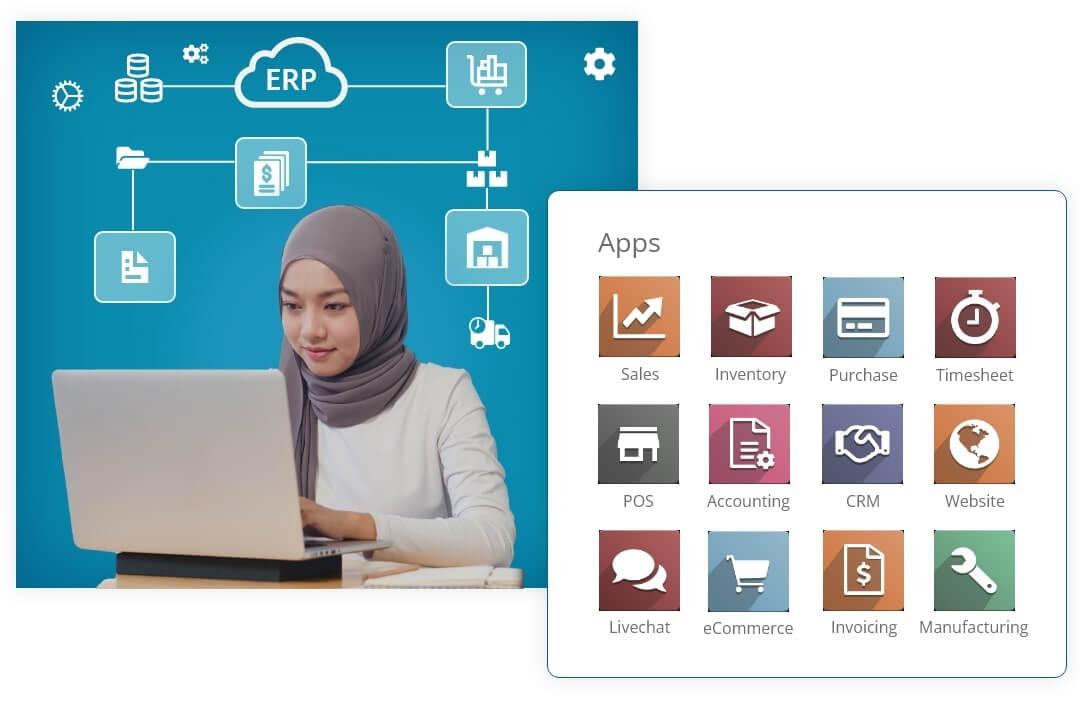
ERP Software in Malaysia enhances operational efficiency through a range of key features that streamline business processes and drive organizational success.
One essential feature is integration, which allows different departments to access and share real-time data, leading to improved communication and decision-making.
Another crucial aspect is automation, where repetitive tasks are automated, reducing manual errors and saving time.
Additionally, ERP software offers scalability, enabling businesses to easily adapt and grow without major system overhauls.
Furthermore, advanced reporting and analytics provide valuable insights into performance metrics, facilitating informed strategic planning.
Enhanced security measures ensure data protection and compliance with regulations, safeguarding sensitive information.
Moreover, mobile accessibility allows employees to access critical data anytime, anywhere, promoting flexibility and productivity.
Implementation Process in Malaysia
How does the implementation process of ERP software unfold in Malaysia to ensure successful integration within businesses?
Initially, the implementation process in Malaysia typically begins with a thorough assessment of the organization’s current systems and processes. This evaluation helps identify areas that require improvement or customization to align with the ERP solution. Subsequently, a detailed implementation plan is crafted, outlining key milestones, timelines, and responsibilities to streamline the integration process.
In Malaysia, a crucial step in ERP implementation is selecting a reliable vendor with experience in local business practices and regulations. Working closely with the vendor, businesses customize the ERP system to meet their specific needs, ensuring a tailored solution for optimal performance. Training sessions are conducted to familiarize employees with the new system, promoting smooth adoption and maximizing the benefits of the ERP software.
Regular monitoring and evaluation are essential throughout the implementation process to address any challenges promptly. By following this structured approach, businesses in Malaysia can successfully integrate ERP software, enhancing operational efficiency and driving growth.
Benefits of ERP Software Adoption
To fully grasp the impact of ERP software adoption on businesses in Malaysia, it’s crucial to understand the tangible benefits that arise from integrating this technology into their operations. One significant advantage is improved efficiency. ERP systems streamline processes, reduce manual tasks, and provide real-time data access, leading to increased productivity.
Additionally, enhanced decision-making is a key benefit. With centralized data, businesses can make informed decisions faster, resulting in better strategic planning and resource allocation.
Cost reduction is another notable advantage of ERP software adoption. By eliminating redundant systems and automating processes, businesses can save on operational costs and improve overall financial management.
Furthermore, ERP systems promote better collaboration and communication across departments. With integrated data and standardized processes, teams can work cohesively towards common goals, boosting overall organizational effectiveness.
Moreover, ERP software enhances data security and compliance. By centralizing data storage and implementing access controls, businesses can mitigate risks related to data breaches and ensure regulatory compliance. Overall, the adoption of ERP software in Malaysia offers businesses a competitive edge through improved efficiency, cost savings, better decision-making, enhanced collaboration, and strengthened security measures.
Choosing the Right ERP Provider
Selecting the appropriate ERP provider is a critical decision that demands thorough research and evaluation of various factors.
When choosing the right ERP provider for your business in Malaysia, consider the provider’s industry experience, track record of successful implementations, and customer reviews. Look for a provider that offers customizable solutions to meet your specific business needs.
Evaluate the scalability and flexibility of the ERP system to ensure it can grow with your business. Additionally, assess the level of customer support and training provided by the ERP provider to ensure a smooth implementation process and ongoing assistance.
Compare pricing models and licensing options to find a provider that offers a cost-effective solution without compromising on quality. Conducting due diligence and requesting demos or trials can help you make an informed decision when selecting the right ERP provider for your business in Malaysia.
Conclusion
In conclusion, ERP software in Malaysia offers essential tools for businesses to streamline operations, improve efficiency, and make informed decisions. With key features including integration of various functions and real-time insights, ERP software enhances productivity and collaboration within organizations.
The implementation process and benefits of ERP software adoption further highlight its significance for businesses looking to stay competitive in the dynamic Malaysian market. Choosing the right ERP provider is crucial for maximizing the benefits of this essential software solution.


