
As pet owners, we strive to provide the best care for our furry companions. When it comes to pet treats, the choices seem endless, ranging from traditional options to more specialized varieties dog treats. However, the question arises: how do these treats truly impact our pets’ health and behavior in the long run? By understanding the significance of selecting the right treats and the potential benefits they offer, we can ensure that our pets receive not only tasty rewards but also essential nutrients. Join us as we explore the world of pet treats and uncover the secrets behind choosing the perfect indulgence for your beloved pet.
Benefits of Pet Treats
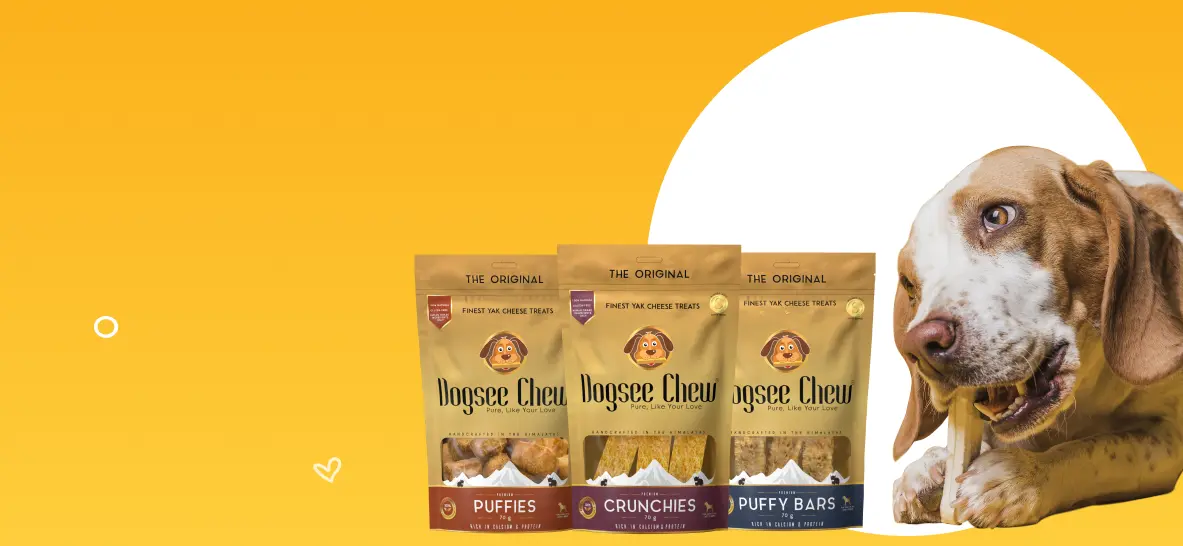
Pet treats offer various advantages to pets, contributing to their overall well-being and behavior. These treats serve as a tool for training, reinforcing positive behaviors https://nourish.petuniverse.com/, and strengthening the bond between pets and their owners. By providing a tasty incentive, pet treats can motivate pets to learn new commands or tricks more effectively. Additionally, treats can be used to redirect negative behaviors, encouraging pets to exhibit more desirable actions.
Moreover, pet treats can also contribute to the physical health of pets. Many treats are formulated with essential nutrients and vitamins that support various aspects of pet health, such as dental care, joint health, and skin and coat condition. For example, dental treats can help reduce plaque and tartar buildup, promoting good oral hygiene in pets. Furthermore, treats enriched with omega-3 fatty acids can improve skin health and coat shine in pets. Overall, incorporating high-quality pet treats into a pet’s diet can lead to a happier, healthier, and better-behaved companion.
Types of Pet Treats
When exploring the variety of treats available for pets, owners can choose from a selection of options tailored to meet specific dietary needs and preferences. One popular type of pet treat is the classic biscuit or cookie. These treats come in various flavors, shapes, and sizes, making them a versatile option for rewarding pets during training or as a special snack.
Another common type of pet treat is jerky, which is often made from dried meat such as beef, chicken, or fish. Jerky treats are typically rich in protein and can appeal to pets with a preference for meaty flavors.
Dental chews are also a popular choice among pet owners looking to support their pet’s oral health. These treats are designed to help reduce plaque and tartar buildup while freshening breath. Additionally, freeze-dried treats offer a convenient and nutritious option, as they retain much of the original flavor and nutrients of the ingredients.
With the wide range of types available, pet owners can easily find treats that suit their pet’s taste preferences and dietary requirements.
Choosing Healthy Ingredients
Selecting nutritious ingredients for your pet’s treats is crucial for their overall health and well-being.
When choosing pet treats, it is essential to carefully read labels to ensure you are providing your furry friend with wholesome and beneficial ingredients.
Nutritious Ingredient Selection
Incorporating a variety of whole, natural ingredients can significantly enhance the nutritional value of pet treats. When selecting ingredients for your pet’s treats, opt for wholesome choices like lean proteins such as chicken, turkey, or fish. These ingredients offer essential nutrients while keeping the treats low in unhealthy fats.
Incorporating fruits and vegetables like sweet potatoes, blueberries, and carrots can add fiber, vitamins, and antioxidants to your pet’s diet. Avoid ingredients containing artificial colors, flavors, and preservatives, as these additives can have negative effects on your pet’s health. By carefully choosing nutritious ingredients, you can provide your pet with treats that not only taste great but also contribute to their overall well-being.
Reading Labels Carefully
To ensure the nutritional quality of pet treats, it is essential to meticulously read labels and prioritize ingredients that contribute to your pet’s well-being. Look for treats made with high-quality proteins like real meat, fish, or poultry, as these are essential for your pet’s muscle development and overall health.
Avoid treats with excessive fillers such as corn, wheat, or soy, which may not provide significant nutritional value and could potentially trigger allergies. Opt for treats with natural ingredients and no artificial additives, colors, or flavors.
Additionally, consider the treat’s calorie content to prevent overfeeding. By carefully reviewing labels and selecting treats with healthy ingredients, you can provide your pet with a delicious and nutritious snack that supports their well-being.
Homemade Vs. Store-Bought
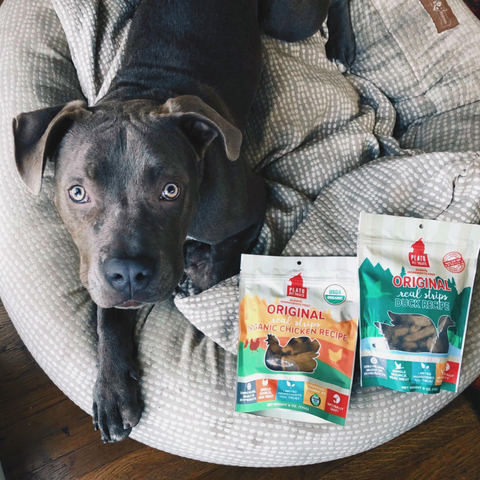
When deciding between homemade and store-bought pet treats, it is important to consider factors such as ingredients, nutritional value, and convenience. Homemade treats offer the advantage of knowing exactly what ingredients are going into your pet’s snacks. This allows you to cater to any specific dietary needs or preferences your pet may have, such as allergies or sensitivities. Additionally, homemade treats can be a healthier option as you have control over the quality of ingredients used, ensuring a higher nutritional value for your furry friend.
On the other hand, store-bought treats provide convenience and often come in a wide variety of flavors and textures. They can be easily purchased and require no preparation time, making them ideal for busy pet owners. However, it is crucial to carefully read the labels of store-bought treats to ensure they meet your pet’s dietary requirements and do not contain any harmful additives or preservatives. Ultimately, the choice between homemade and store-bought pet treats depends on your pet’s individual needs and your lifestyle preferences.
Treats for Training Purposes
For effective training sessions with your pet, selecting appropriate treats is essential to reinforce positive behaviors. Treats for training purposes should be small, soft, and highly palatable to maintain your pet’s focus during training. Opt for treats that can be easily broken into tiny pieces to provide quick rewards without overfeeding. Look for treats with high-value ingredients like real meat, vegetables, or fruits to make training sessions more enticing for your pet.
When choosing treats for training, consider your pet’s preferences and any dietary restrictions they may have. It’s important to use treats that your pet finds irresistible to ensure they are motivated to follow commands and learn new behaviors. Additionally, avoid treats that are high in calories or contain artificial additives that may be harmful to your pet’s health.
Remember to use treats as a positive reinforcement tool during training and to praise your pet for their good behavior. Consistency, patience, and the right choice of treats will help make your training sessions successful and enjoyable for both you and your furry friend.
Special Dietary Considerations
Considering your pet’s specific dietary needs is paramount when selecting treats, especially in cases where special dietary considerations must be taken into account. Just like humans, pets may have food allergies, sensitivities, or health conditions that require a tailored diet.
When choosing treats for your pet, it’s crucial to read the ingredients carefully to ensure they align with your pet’s dietary requirements. For example, if your pet has a grain allergy, opt for treats that are grain-free. If your pet is on a weight management diet, select low-calorie treats or use their regular food as a treat alternative.
Additionally, for pets with medical conditions like diabetes or kidney disease, consult with your veterinarian to find suitable treat options that won’t exacerbate their condition. By being mindful of your pet’s special dietary needs, you can ensure that the treats you offer are not only tasty but also safe and beneficial for their overall health and well-being.
Safe Handling Practices
Implementing proper safe handling practices when dealing with pet treats is essential to ensure the health and well-being of both your pet and yourself. Always wash your hands before and after handling pet treats to prevent the spread of bacteria. Additionally, store treats in a cool, dry place away from direct sunlight to maintain their freshness and prevent spoilage.
When serving your pet treats, be mindful of any allergies they may have. Avoid cross-contamination by using separate utensils or washing them thoroughly between different treats. It’s crucial to read and follow the storage instructions on the treat packaging to ensure they remain safe for consumption.
Dispose of any uneaten treats properly to prevent your pet from consuming spoiled or contaminated food. Lastly, monitor your pet while they enjoy their treats to prevent choking hazards or any other potential risks.
Conclusion
In conclusion, pet treats play a vital role in pet care by serving as a useful tool for training, reinforcing positive behaviors, and strengthening the bond between pets and their owners.
By prioritizing healthy ingredients, choosing treats that suit their dietary needs, and following safe handling practices, pet owners can ensure the overall well-being of their furry companions.
It is important to make informed choices when selecting pet treats to promote a healthy and happy life for pets.


